
Our programs
Five programs. One wonderfully strange art kept alive.
We preserve its history, bring it into public view, put working performers in front of audiences, turn children from spectators into storytellers, and help unusual talent get the practical support it needs.
Choose the part you want to bring to life.
What would you like to make happen?
Make the Past Speak
Host a pop‑up exhibition, educational talk, or live Archive experience.
Put on a live show
Bring professional ventriloquism to your school, library, festival, theater, or community.
Turn Spectators Into Performers
Host or sponsor a Read, Laugh & Learn Adventure.
Preserve something important
Contribute material, information, an identification, or a memory to the Archive.
Help unusual talent grow
Ask about youth grants or help remove a practical obstacle for a young person.
1. The Archive and historical preservation
Keep the story connected.
The Archive documents ventriloquism through the people, figures, makers, works, organizations, and events that created it.
We bring scattered evidence together, attach every fact to its source, connect it to the rest of the record, and make the result available to the public at no cost.
Preservation also happens away from the database. We locate private material, scan fragile paper, identify people and figures in photographs, record firsthand knowledge, and help owners understand what they have before a story is lost.
2. Pop‑up exhibitions and educational events
Bring the history into the room.
An archive becomes much more interesting when it gets out of the archive.
Our pop‑up programs combine photographs, reproduced documents, figures, objects, short talks, live demonstrations, and stories drawn from the historical record.
Programs can be created for libraries, schools, festivals, conventions, museums, community spaces, and partner organizations.
Possible subjects include:
- A visual history of ventriloquism
- How a ventriloquial figure works
- The makers behind the figures
- Ventriloquism in radio, television, film, and popular culture
- Local performers and forgotten regional histories
- Live Archive sessions where the public helps identify people, places, and objects
These are not exhibitions that ask people to stare silently at a case. Ventriloquism is a performing art. Its history should move, speak, and invite questions.
3. Live public performances
The art stays alive by being performed.
Ventriloquism does not survive because figures remain still. It survives when a performer, a character, and an audience meet in the same moment.
The Institute produces and supports live performances in schools, libraries, festivals, theaters, conventions, and community spaces.
Some introduce an audience to the art for the first time. Others place today’s working performers in conversation with the history that came before them.
The organization has supported free public performance for years, beginning with the Jazz Ambassadors under its earlier name. We are carrying that same idea into ventriloquism: professional art, presented live, taken to the places where the audience already is.
Read, Laugh & Learn
4. Read, Laugh & Learn
A show they watch. A book they own. A puppet they bring to life. A first performance they give themselves.
Read, Laugh & Learn makes reading active, social, funny, and impossible to mistake for a worksheet.
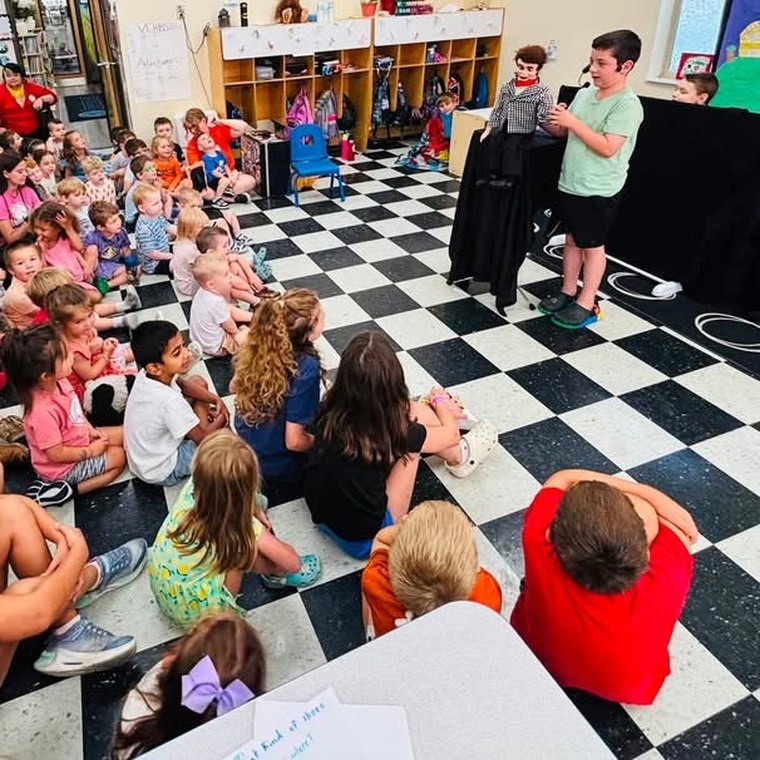
The flagship Read, Laugh & Learn Adventure combines live ventriloquism, magic, music, storytelling, books, and puppets in one high‑energy program for elementary schools, libraries, and community events.
Children do not merely watch characters come alive. Before the program ends, they create one.
The four‑part promise
Every child experiences live ventriloquism, magic, music, and storytelling.
Every child leaves with a physical book that belongs to them.
Every child receives a peeper puppet: two eyes that slip over a finger and turn a hand into a character. No elaborate construction. No expensive figure. The moment the eyes go on, the puppet needs a name, a voice, and something to say.
Every child gets a beginning: a short performance, a story told through a character, and the discovery that an audience will listen to something they created.
The goal
One million children.
One million books.
One million puppets.
One million first shows.
We are not trying to create one million spectators. We are trying to help one million children find their voices.
Tommy got the door at eight. Jimmy had to wait until eighteen.
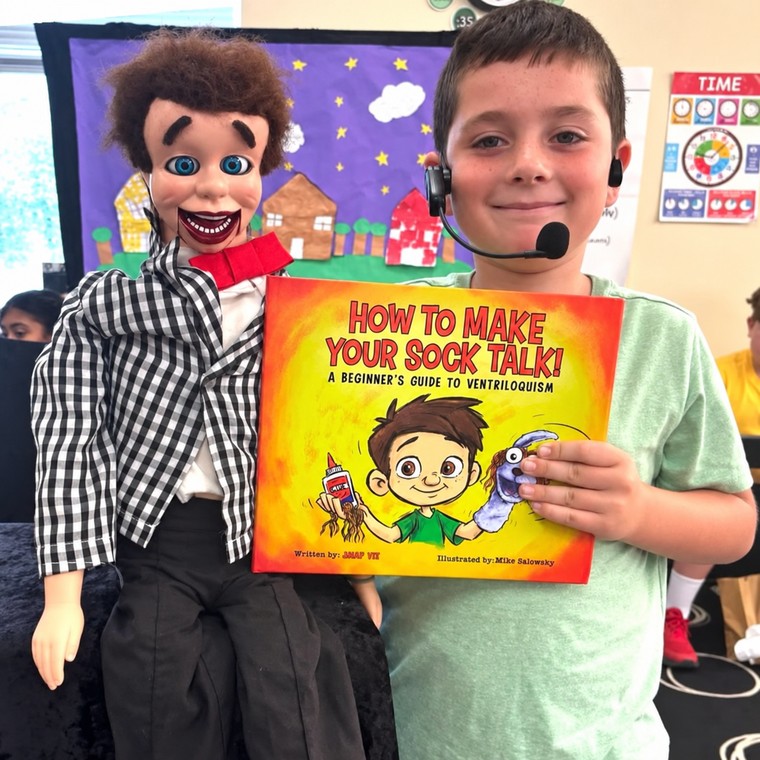
At a school show in Grove City, Ohio, eight‑year‑old Tommy and his partner Danny opened for veteran ventriloquist Bob Abdou.
Tommy already had an act. What he did not have was a clear way to keep learning. Bob handed him a copy of How to Make Your Sock Talk that day.
Jimmy Vee decided he wanted to become a ventriloquist at eight, then spent ten years trying to find out how.
Tommy got the book at eight.
That is the point of the program.
Where the Adventure goes
- Elementary schools
- Public libraries
- Community and family literacy events
- Sponsor‑funded programs
- Larger regional literacy initiatives
The format can change with the room. The promise does not.
5. Youth grants
Take unusual talent seriously.
Young people with uncommon interests are often told to be realistic long before anyone helps them become good.
Our grants pay for practical things that allow talent to keep developing: lessons, equipment, entry fees, training, and travel.
The amount may be small. The difference it makes is not.
Before the organization became the Ventriloquism Institute, its original mission was helping young people with unusual talent. These earlier grants show the principle that still guides the work: talent should not stall because one practical obstacle got in the way.
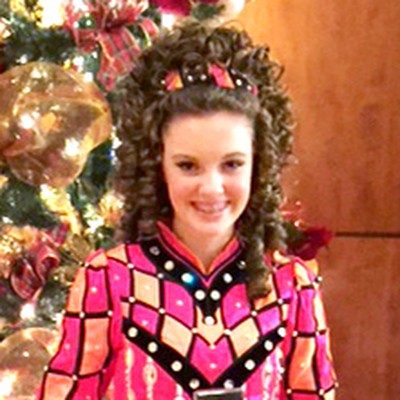
Rory Cain · Irish dance
Foundation support paid for additional private lessons. Rory moved up two levels and continued working toward the highest level of Irish dance.
Akeem Tonge · Martial arts
Akeem used his support for karate tuition and entry into the Florida Blitz Martial Art Tournament. He won two state divisions and continued toward his third‑degree black belt.
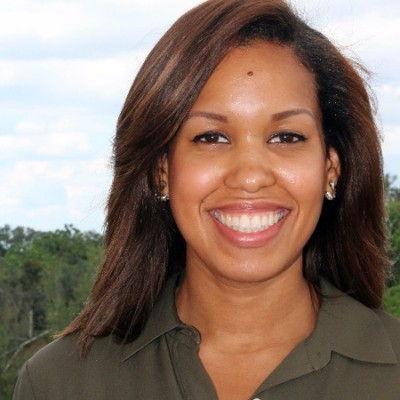
Briana Scales · Music
Support helped gifted musicians from the Florida Symphony Youth Orchestra travel to Europe and participate in the Summa Cum Laude International Youth Music Festival.
What a grant can actually do
Caleb Brewer already had the talent and the act. He performs as Mini MJ, a young Michael Jackson tribute performer willing to get up in front of a crowd.
After he was discovered at the Orlando Children & Family Expo in August 2016, Caleb received a Same Is Lame Foundation scholarship. The foundation helped build the structure around his talent, including MiniMJ.com, where people could see his work, follow his appearances, and take him seriously as a performer.
The support included a platform, not merely a check.
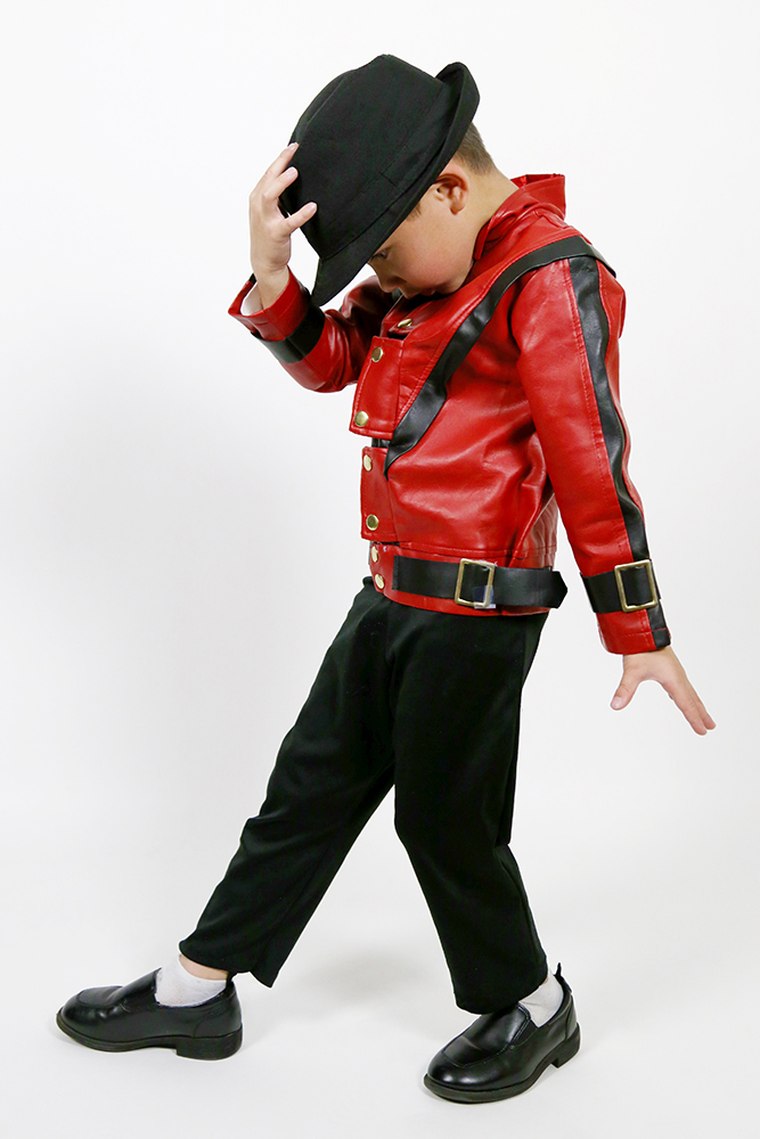
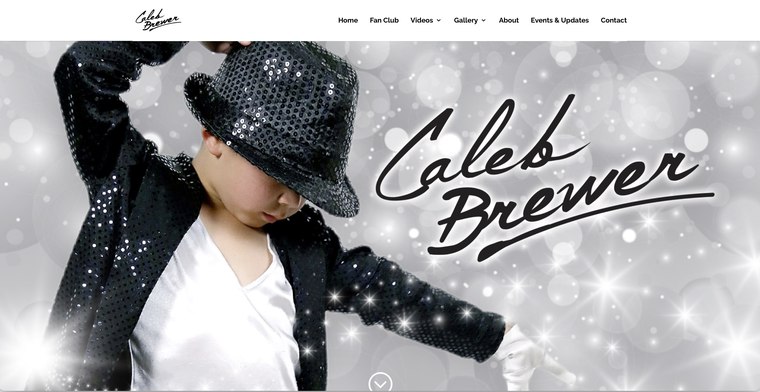
That is what a youth grant can do. It does not create the gift. It removes an obstacle and gives the work somewhere to go.
Bring the Institute into the room.
Host an exhibition. Book a performance. Bring the Adventure to a school or library. Sponsor books and puppets. Contribute material to the Archive. Tell us about a young person whose work deserves attention.
Tell us who the audience is, where you are, and what you want them to experience. We will help match the right program to the room.